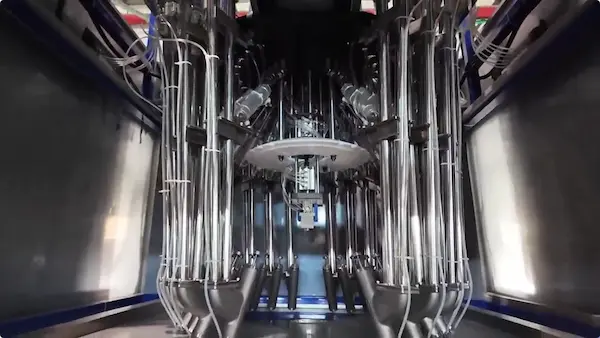
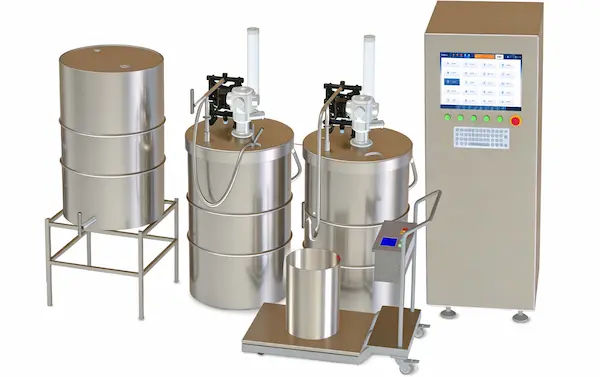
The four most common printing methods in the world are flexography, offset printing, intaglio printing, and screen printing. Of these, flexography originated in Germany in the early 20th century and has now been in development for over a century. It was initially renowned for delivering high‑quality print results and production efficiency; however, what has truly fuelled the rapid rise of flexography in recent years is its outstanding environmental benefits—the widespread adoption of more environmentally friendly water‑based inks has led the industry to recognise flexography as a greener printing method.
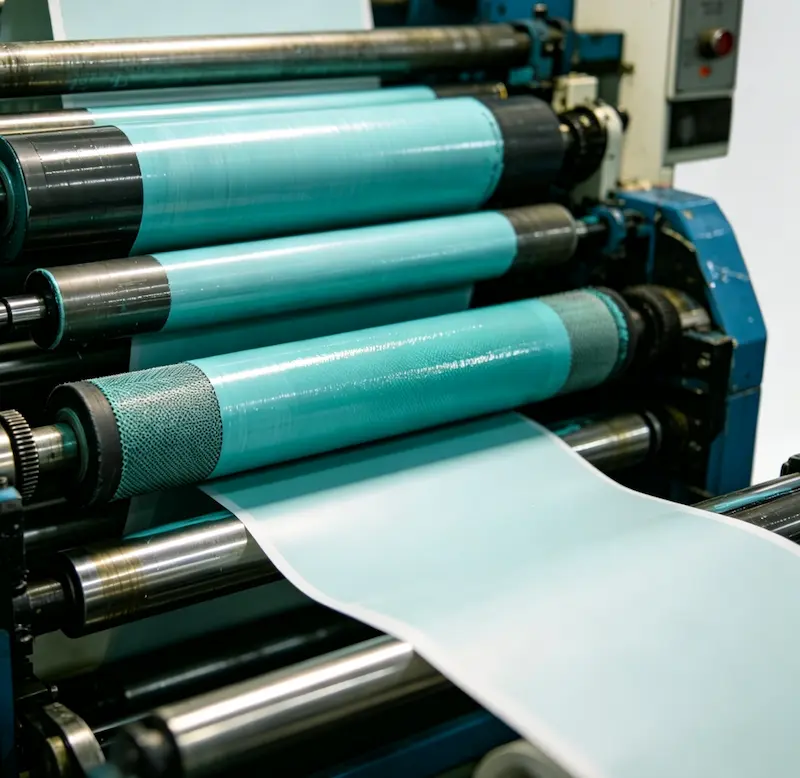
Flexography is a process that utilises a flexible printing plate. The ink is transferred from the non‑recessed surface of the plate onto the printed material. Essentially, flexography is a modern version of letterpress printing, albeit with the capability of high‑speed rotary printing. This printing method can be used on almost any type of substrate, including plastics, metal foils, cellophane and paper. Flexography is widely used for printing on various food packaging materials—as it is also particularly well‑suited to printing large areas of solid colour.
In countries with developed printing industries, such as Europe and the United States, flexography has long been the mainstay of packaging printing. Data shows that approximately 70% of packaging materials are produced using flexography. Globally, the market size for flexographic printing continues to expand. According to the latest report from Smithers, a leading international research organisation in the printing industry, the combined market size of flexography and intaglio printing will reach US$358.5 billion by 2026, with flexographic printing alone accounting for US$250.7 billion. It is projected that by 2030, the flexographic printing market will grow further to US$284.2 billion, representing a compound annual growth rate of 3.2 per cent. Data from another market research organisation, Mordor Intelligence, also corroborates this trend: the global flexographic printing market is valued at US$19.8 billion in 2025, is projected to reach US$20.94 billion in 2026, and is expected to exceed US$27.71 billion by 2031, with a compound annual growth rate of 5.76 per cent.
The rapid global adoption of flexo is inextricably linked to its inherent characteristics and advantages.
Firstly: Environmental benefits. Flexo utilises new types of water‑based and solvent‑based inks that are non‑toxic and pollution‑free, significantly reducing emissions of VOCs (volatile organic compounds). As environmental regulations continue to tighten worldwide, this advantage is becoming increasingly important.
Secondly: High production efficiency. Flexographic printing utilises roll‑fed materials, enabling not only double‑sided printing on the substrate but also in‑line processes such as varnishing, lamination, hot foil stamping, die‑cutting, waste removal and rewinding. This integrated workflow significantly shortens production cycles and saves on labour and resources. Modern flexographic printing presses increasingly incorporate automated technology, which reduces waste, speeds up job preparation and lowers costs when print runs are shortened.
Third: Wide range of applications. Virtually all paper and plastic packaging products can be produced using flexographic printing, and it is equally suitable for publications such as newspapers, books and magazines. Substrates include a wide range of materials, such as paper, plastic film, aluminium foil and self‑adhesive paper. This strong adaptability to materials has enabled flexographic printing to dominate rapidly growing market segments such as flexible packaging, labels and corrugated cardboard boxes.
Fourth: Suitable for small‑batch orders. Compared to intaglio printing, which requires the production of expensive cylinders, flexographic printing offers more cost‑effective plate costs and allows for easier plate changes. This feature is particularly important in today’s market environment, where brands frequently update their packaging designs and lifecycles are constantly shortening.
Fifth: Rich ink coverage and consistent colour. Flexographic printing can achieve more complex colour reproduction, enhancing the realism of images and producing more attractive, vivid yet soft colour tones.
Although flexo offers significant advantages, it also faces challenges in actual production that cannot be ignored.
From a market competition perspective, whilst flexographic printing continues to gain market share in areas where it competes directly with intaglio printing, intaglio printing is still growing rapidly in the rapidly expanding Asian packaging market and industrial printing sectors. In the Asian market, intaglio printing has long been favoured for its ability to reproduce fine Chinese characters; however, as the quality of flexographic printing continues to improve, this advantage is diminishing. Furthermore, the rise of digital printing and hybrid printing technologies has also created a certain degree of competitive pressure on flexographic printing in the label and flexible packaging sectors.
From a technical perspective, flexographic printing imposes strict requirements on inks. The transfer of flexographic ink relies on the ink flowing rapidly out of the cells and levelling out; this requires the ink to have low viscosity and a fast transfer rate. Consequently, flexographic inks typically need to be low‑viscosity, liquid inks with good flow properties. The ink transfer volume for flexographic inks is only one‑third that of intaglio inks; this means that to achieve smooth colour reproduction in highlight areas, inks with higher colour density are required. However, water‑based flexographic inks have relatively low colour density, and achieving a colour density equivalent to that of gravure printing requires a greater ink transfer volume.
These technical characteristics present multiple challenges for ink management: how can the accuracy of ink formulation be guaranteed? How can the high precision and consistency of the ink system be ensured? How can the growing demand for small‑batch orders in flexographic printing be effectively met? Traditional ink formulation methods rely on manual operations, which are not only inefficient but also prone to human error, making it difficult to guarantee colour consistency between batches.
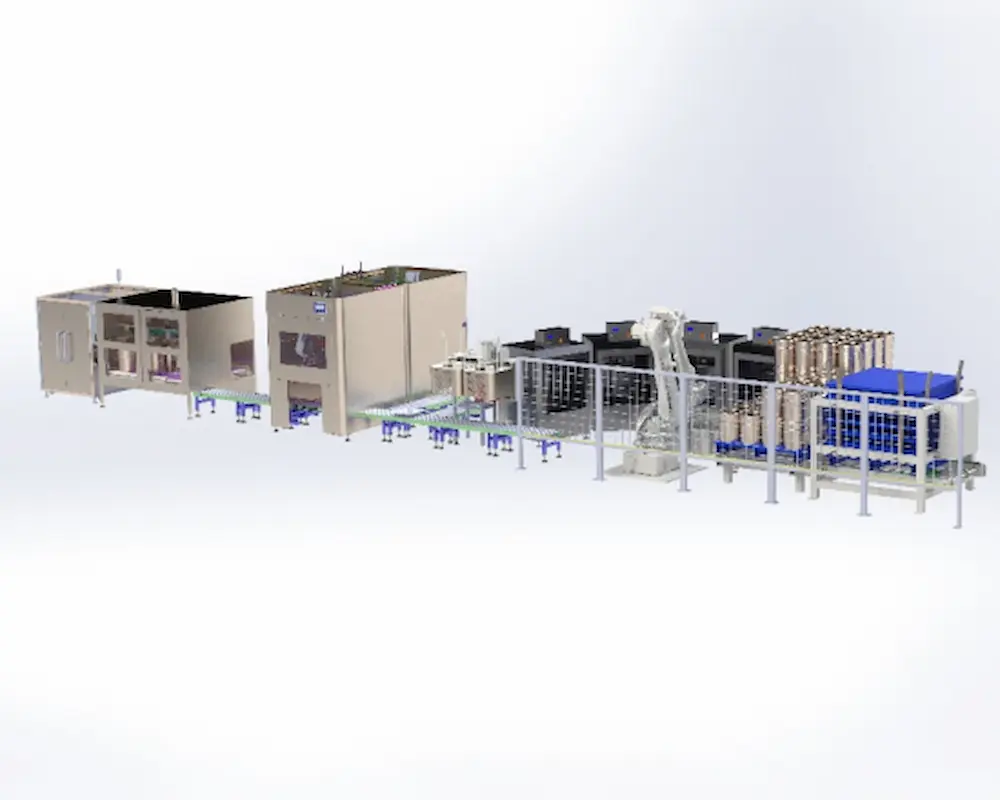
The digital age has driven the intelligent transformation of the entire printing industry, and flexographic printing is no exception. Internet of Things (IoT) technology is being deeply integrated into the entire printing production process, enabling optimised production scheduling, precise colour management, automated quality inspection, and flexible production. Amidst this trend, the intelligent upgrading of the ink dispensing process is particularly crucial. Sightec’s automated dispenser provides the flexographic printing industry with a comprehensive intelligent ink dispensing solution.
Precise mixing ensures colour consistency. Sightec’s ink dispensing systems can rapidly mix ink to any specific formula within minutes, ensuring colour accuracy and consistency. The fully automated dispensing process significantly reduces manual intervention, eliminates the possibility of human error, and guarantees that the ink formula remains exactly the same for every batch, maintaining colour stability and consistency during repeat production. In the low‑viscosity sector of flexographic printing, the ink dispensing systems is capable of precisely controlling even the slightest variations in viscosity. The system’s dispensing accuracy can reach up to ±0.1 grams—a level of precision that is virtually impossible to achieve through manual operation.
Intelligent formulation and inventory management reduce costs and enhance efficiency. By precisely controlling the usage, consumption, stock levels, and prices of base inks, additives, and primary colours, Sightec’s ink dispensing systems can intelligently adjust ink formulations to suit different printing requirements. Based on production schedules and projected consumption, the system maintains colour paste and technical additive stock levels at an optimal level, thereby avoiding both excess inventory tying up capital and production delays caused by material shortages. The system generates a spot colour label for every ink batch produced, facilitating the calculation of production costs and ink management.
Comprehensive colour monitoring and adjustment. Sightec’s ink dispensing systems can be connected to a spectrophotometer to monitor colour output in real time, ensuring colour consistency. This real‑time monitoring capability enables printing companies to identify and correct colour deviations promptly during the production process, rather than waiting until the finished product is produced to discover issues, thereby significantly reducing the scrap rate.
Seamless integration with digital enterprise production networks. Sightec’s ink dispensing systems integrate seamlessly with customers’ digital enterprise production networks, reducing manual data entry, lowering error rates, and ensuring the accuracy and consistency of colour data. Our ink dispensing systems can also interface with ERP systems to prepare inks in advance based on orders. This integration capability makes colour management more efficient and reduces uncertainties in the colour management process.
Sightec’s technical team systematically demonstrated automated solutions covering the entire lifecycle of ink usage, including automatic ink dispensing systems, residual ink management systems, and conveying systems, vividly illustrating the seamless transition from precise colour matching to efficient conveyance.
Flexographic printing is currently experiencing an unprecedented period of growth and opportunity. The global market continues to expand, with the Chinese market leading the way in terms of growth; as environmental policies become increasingly stringent, the eco‑friendly advantages of flexographic printing are becoming ever more apparent; and the deep integration of smart technologies is helping flexographic printing companies to resolve numerous pain points in traditional production processes.
The Smithers report clearly indicates that flexographic printing is in a more favourable position for future sustainable development. With the accelerated adoption of environmentally friendly alternatives such as water‑based and UV‑curable inks, alongside the widespread application of automation technology in modern flexographic presses, the market‑leading position of flexographic printing will be further consolidated.
For printing enterprises, embracing the intelligent upgrading of flexographic printing is no longer a matter of ‘whether’ to do it, but a mandatory question of ‘how’ to do it. As a critical stage in the flexographic printing process, the level of intelligence in ink formulation directly impacts product quality, production efficiency, and cost control. The technological direction represented by the Sightec ink dispensing systems is precisely one of the key pathways for the flexographic printing industry to achieve transformation and upgrading.
Driven by the twin engines of smart manufacturing and green development, flexographic printing is evolving from ‘one of many’ to ‘the mainstream’; this is not only a natural outcome of technological evolution but also an inevitable direction dictated by market choices and contemporary trends.
If you would like to find out more about the Sightec ink dispensing systems, please do not hesitate to contact us. We are always here to assist.