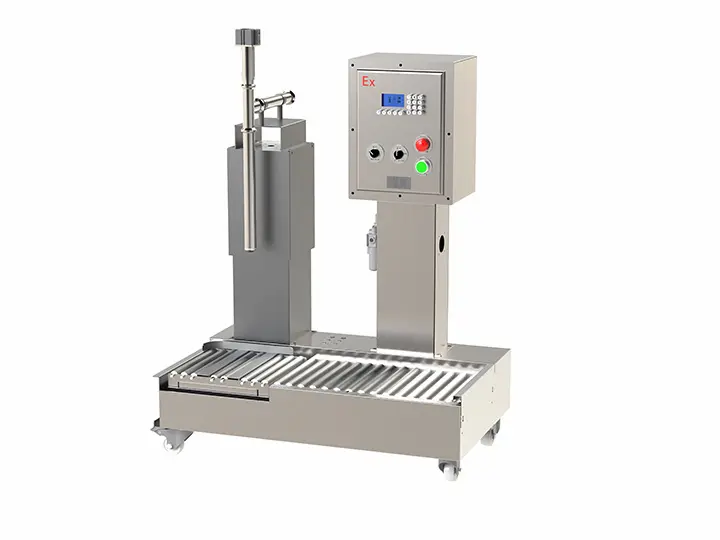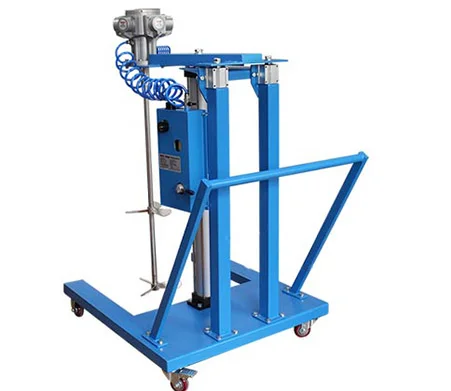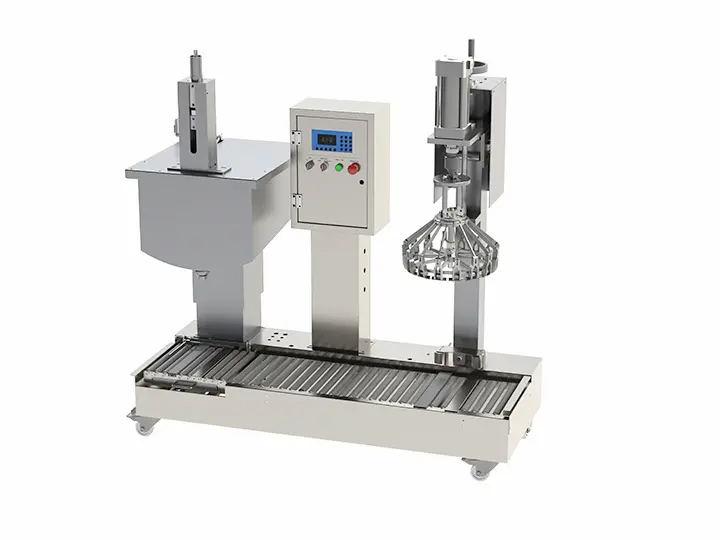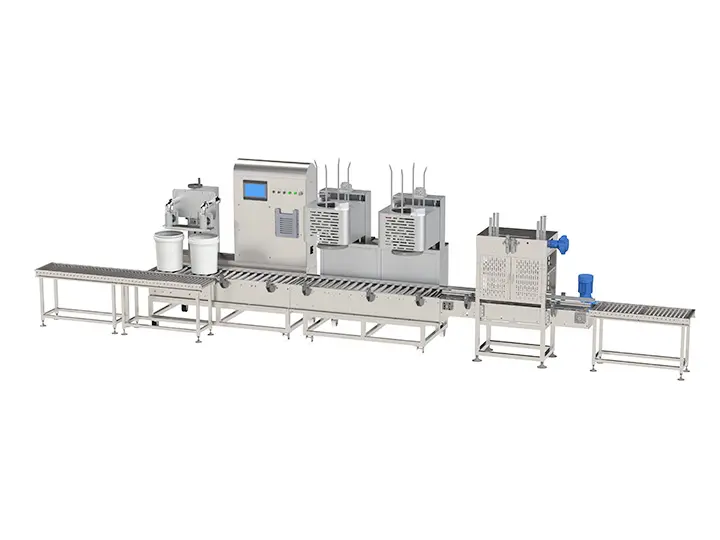
Ever notice a slight color shift in your prints? Or hear an odd sound from your dispenser? Often, the culprit is hiding inside: dried ink.
Forgetting to clean your industrial ink dispenser might seem like a small oversight. But that tiny bit of leftover ink can cause big, expensive problems. It can clog valves, ruin accuracy, and even damage your machine for good. In the printing business, downtime is your worst enemy, and a failed dispenser can stop your entire production line.

Think of cleaning not as a chore, but as your best defense. It’s the simplest way to protect your investment, ensure perfect print quality every time, and save thousands in repair costs.
This guide breaks down a foolproof ink dispenser cleaning routine into five safe, clear steps. We’ll also settle the debate: manual vs. automatic cleaning. By the end, you’ll know exactly how to keep your machine running smoothly.
Your Safety Kit: What You Need Before You Start
Safety comes first, always. Cleaning involves chemicals and machinery. Skipping this step is not an option.
Here’s your checklist before you touch anything:
Wear the Right Gear: Put on chemical-resistant gloves and safety goggles. A protective apron is a good idea to protect your clothes.
Check the Airflow: Make sure your workspace is well-ventilated. Open doors or windows, or use an exhaust fan.
Get the Right Tools: Have plenty of clean, lint-free cloths ready. Prepare a sealed container for used ink dispenser parts and waste liquid.
Read the Manual: Your machine’s manual is your best friend. Find the section on cleaning and the manufacturer’s recommended solvents for your specific ink type (water-based, solvent, or UV).
Prepare Your Solvent: Use only the cleaner suggested in the manual. Using the wrong one can damage seals and make the problem worse.
The 5-Step Cleaning Process for Your Ink Dispensing System
Follow these steps in order. Don’t rush. A thorough clean now prevents headaches later.
Step 1: Power Down & Take It Apart
First, turn everything off. Shut off the main power and the air supply to your ink dispensing machine. This is critical for safety.
Next, empty the system. Use the machine’s purge function if it has one to push leftover ink back into its original container or into your waste bucket.
Now, carefully disassemble the key parts. You’ll usually need to remove:
The dispensing tip or valve head.
Any inline filters or screens.
The static mixer unit.
Small-volume measuring chambers.
Pro Tip: Lay out the parts in order on a clean bench. Take a picture with your phone before you start. This makes reassembly much easier and is a great practice for ink dispenser troubleshooting.
Step 2: Soak to Loosen the Grime
Don’t start scrubbing yet! Soaking makes the hard work easy.
Place the disassembled parts in a tub or tray. Pour enough cleaning solvent to cover them completely. Let them soak. For fresh ink, 15-30 minutes might be enough. For hardened, day-old residue, let it soak for a few hours.
This step softens the dried ink, allowing it to release from the metal or plastic surfaces without you needing to scrape or scratch them.
Step 3: Scrub & Inspect Every Part
Now, get cleaning. Use soft brushes (old toothbrushes work well for small parts) and your lint-free cloths. Gently scrub every groove, thread, and hole. Pay special attention to areas where ink flows.
This is also your chance to play detective. As you clean, inspect each component closely:
Seals & O-Rings: Are they swollen, cracked, or brittle? If yes, they need replacement.
Valve Tips & Surfaces: Do you see any scratches, dents, or wear marks?
Filters: Are they torn or permanently clogged?
Finding a worn ink dispenser part now is a win. It’s cheaper and easier to replace a small seal today than to fix a major leak tomorrow.
Step 4: Rinse and Dry Completely
After scrubbing, you must rinse. Any leftover solvent can mix with your new ink and cause gelling or clumping.
Rinse every part with fresh, clean solvent. In some cases, especially with water-based systems, a final rinse with distilled or deionized water is best. Check your manual.
Then, dry everything 100%. Use compressed air to blow out tiny passages. Let parts air-dry on a clean cloth in a dust-free area. Moisture is the enemy—it breeds bacteria in water-based inks and causes corrosion.
Step 5: Reassemble and Run a Test
You’re on the home stretch. Put your machine back together using your photo as a guide. Tighten connections firmly but don’t over-tighten.
Before you put ink back in, run a test. Reconnect power and air. Run the machine’s cleaning cycle or perform a dry cycle. Watch and listen:
Do all the valves open and close smoothly?
Is the pump sound normal?
Do you see any leaks at the connections?
A successful test run means you’re ready for production. This final check is the most important step in any ink dispenser maintenance plan.
Manual Cleaning vs. Automatic CIP: Which is Best for You?
Not all cleaning is created equal. Modern machines often offer an automatic option. Here’s a simple breakdown to help you decide.
| Feature | Manual Cleaning | Automatic Cleaning (CIP) |
| What it is | Hands-on. You take the machine apart, clean, and reassemble. | Hands-off. The machine cleans itself internally with a push of a button. |
| Pros | • Low cost (no special system needed). • You see and clean every spot. • Works on any machine, old or new. | • Extremely fast. Saves hours of labor. • Perfectly consistent every time. • Safer (less chemical contact). • Less production downtime. |
| Cons | • Slow and labor-intensive.• Needs skilled labor. • Risk of human error on reassembly. | • Higher upfront cost for the system. • May need manual help for very heavy clogs. • Uses dedicated cleaning fluid. |
| Best For | Smaller shops, major color changes, deep cleans, or older equipment. | High-volume printers, frequent color changes, and shops focused on maximum efficiency. |
If your machine has a CIP system, use it! It’s designed for daily ink dispenser maintenance. But remember, even with CIP, a full manual clean is still needed every few months for a deep inspection.
Keep Your Production Running Smoothly
A clean ink dispenser for screen printing or flexo is a reliable one. Making these five steps a regular habit is the smartest way to avoid unplanned stops, ensure color matches perfectly every time, and get the longest life from your equipment.
Ready to take the next step in optimizing your printing operation? Consistent cleaning is key, but true precision comes from regular calibration.