Why Automatic Color Dispensers & Smart Paint Mixing Lead Coating Line Digital Transformation
Ben Cai | Published on December 10, 2025
In the era of manufacturing digitalization, many businesses focus on high-profile equipment like spray robots when upgrading coating lines. Yet they overlook a critical foundational step: paint mixing. As the starting point of the entire coating process, paint mixing directly impacts product quality, production efficiency, cost control, and digital connectivity. Prioritizing smart upgrades to paint mixing isn’t just a practical choice—it’s a strategic move that drives full-line optimization. By leveraging tools like automatic color dispenser machines and intelligent mixing systems, manufacturers can solve long-standing industry pain points and gain a competitive edge in the market.
Traditional manual paint mixing creates a chain of problems that hold back coating lines. These issues erode profits, damage brand reputation, and make it hard to adapt to modern production demands.
Color consistency is non-negotiable for products like automotive parts, high-end furniture, and industrial equipment. But traditional manual color mixing relies on workers’ experience, with no strict quantitative standards. This leads to noticeable color differences (often ΔE > 3) between batches. For businesses using a colorant dispenser manual, the problem worsens—human error in measuring and mixing makes it nearly impossible to replicate colors accurately. Such inconsistencies result in high rework rates, customer complaints, and lost orders.
Paint and colorants represent a large portion of coating line costs. Manual mixing requires repeated trials to get the right shade, wasting up to 30-40% of raw materials. Even small measurement errors (usually over 5g) disrupt formula ratios, harming coating performance and creating hidden costs. Unlike an automatic colorant dispenser that dispenses precise amounts, manual operations turn valuable materials into waste, eating into 15-20% of a company’s profits.
Today’s market demands small-batch, custom-order production, but traditional paint mixing can’t keep up. Manual color matching takes hours—sometimes days—from sample analysis to formula finalization. Switching between formulas or raw materials is time-consuming, leading to costly production delays. For example, a small-batch order that takes 4-6 hours to mix manually can hold up the entire coating line, reducing overall capacity utilization by 25% or more.
Digital transformation relies on data, but traditional paint mixing offers no reliable data collection. Workers record formulas, material usage, and production times by hand—leading to errors, lost records, and poor traceability. Without accurate data, businesses can’t optimize formulas, manage inventory efficiently, or connect production processes. Even if later stages use automation, the lack of upstream data breaks the digital loop, limiting the value of smart upgrades.
Paint mixing involves flammable, toxic chemicals. Manual operations increase safety hazards for workers, while skilled mixers are hard to train and retain. High turnover leads to production disruptions and quality fluctuations. Additionally, strict environmental regulations require precise control over emissions and waste. A colorant dispenser manual can’t ensure consistent material usage, making it harder to meet 环保 standards and avoid fines.
Upgrading paint mixing first creates a ripple effect across the entire coating line. By addressing root causes at the start, businesses unlock improvements in quality, efficiency, cost, and compliance—all with minimal upfront investment.
Smart paint mixing systems—powered by automatic paint color dispensing machines—eliminate human error. These systems use precision optical sensors and intelligent algorithms to digitize the entire process from sample collection to formula creation. An automatic color dispenser can achieve color accuracy with ΔE ≤ 0.5 for paint and ΔE ≤ 1 for inks, far exceeding industry averages.
For automotive repair shops, a car paint mixing machine or automotive paint mixing machine ensures consistent color matching across locations. No more customer complaints about mismatched touch-ups—every repair uses the exact same formula. In high-end furniture manufacturing, the best colorant dispenser maintains uniform shades for custom orders, reducing returns from color discrepancies to near zero. This level of consistency turns quality into a competitive advantage.
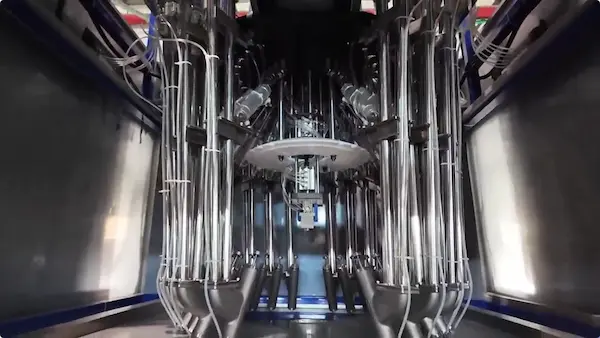
Automatic paint colorant dispensers and smart mixing equipment slash production time. A 20L batch that takes hours to mix manually can be ready in 1-5 minutes with an automatic color dispenser. Modular designs let these machines handle up to 60 raw materials, supporting quick formula switches for small-batch orders.
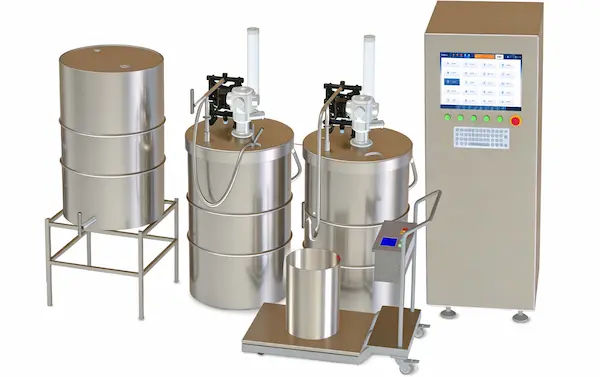
Paint mixing stations integrate seamlessly with production lines, allowing workers to scan orders and pull up pre-stored formulas instantly. For example, an auto paint mixing machine in an automotive parts plant can handle multiple color variants without downtime, boosting line capacity by 30% or more. Ink dispenser machines for the printing industry cut color matching time from days to minutes, enabling faster order fulfillment and higher customer satisfaction.
Smart paint mixing delivers tangible cost reductions across the board. First, automatic colorant dispensers reduce raw material waste by 50% or more. Their precision (as low as 0.05g for small batches) eliminates trial-and-error mixing, ensuring every drop of paint counts. A mid-sized industrial paint manufacturer can save hundreds of thousands of dollars annually just by cutting material waste.
Second, automation reduces labor costs. One automatic color dispenser machine can replace 60% or more of manual labor, eliminating the need for highly skilled mixers. This not only cuts payroll expenses but also avoids disruptions from staff turnover. Additionally, systems like oem automatic colorant dispensers can be customized to fit specific production needs, reducing unnecessary equipment costs.
Modern automatic paint color dispensing machines integrate seamlessly with ERP and MES systems, turning paint mixing into a digital hub. Production data—including material usage, formula details, and machine performance—uploads in real time. This creates full traceability from raw materials to finished products, a critical feature for industries like automotive and aerospace.
With this data, businesses can optimize formulas, predict inventory needs, and schedule maintenance proactively. For example, colorant dispenser parts can be monitored for wear via system data, preventing unexpected downtime. Colorant dispenser manual pdfs and digital guides further simplify maintenance, ensuring equipment runs at peak efficiency. This level of connectivity turns isolated machines into a unified smart production system.
Smart paint mixing systems help businesses stay compliant with environmental and safety standards. Closed-loop designs and precise dispensing reduce VOC emissions, while explosion-proof configurations (available on many automatic color dispenser models) enhance workplace safety.
Accurate data tracking makes it easy to report material usage and waste, simplifying compliance audits. For manufacturers facing strict environmental rules, an automatic paint colorant dispenser isn’t just a productivity tool—it’s a way to avoid fines and build a sustainable brand image.
Smart paint mixing isn’t a one-size-fits-all solution. Different industries have unique requirements, and the best colorant dispenser manufacturers offer tailored equipment to meet them.
Automotive paint mixing systems for sale prioritize quick color matching and nationwide consistency. Car paint mixing equipment and automotive paint mixing machines support hundreds of OEM color codes, ensuring repairs match factory finishes. These machines integrate with shop management software, letting technicians scan a vehicle’s VIN and pull up the exact formula in seconds. For chain repair shops, this means uniform quality across all locations and faster customer turnaround.
High-end furniture makers rely on automatic color dispenser machines to handle custom color requests. The best colorant dispenser can replicate unique shades with pinpoint accuracy, supporting small-batch production of designer furniture. Ink dispenser machines also play a role in decorative wood finishes, ensuring consistent patterns and colors across pieces.
The printing industry demands ultra-precise color matching for packaging and labels. Ink dispenser machines deliver minimum discharge volumes as low as 0.02ml, ensuring sharp, consistent colors on every print run. Paint tinting machine manufacturers offer specialized systems that work with water-based and solvent-based inks, meeting the industry’s strict quality standards.
Industrial paint mixing requires formulas that resist corrosion and wear. Automatic paint color dispensing machines ensure consistent ratios of binders, pigments, and additives, improving coating durability. Full data traceability lets manufacturers track every batch, a critical requirement for heavy machinery and infrastructure projects.
The next generation of smart paint mixing will bring even more innovation. AI algorithms will enable automatic color dispenser machines to learn from production data, optimizing formulas for better quality and lower waste. Predictive maintenance will use machine data to identify potential issues with colorant dispenser parts before they cause downtime.
Digital twin technology will let manufacturers simulate paint mixing processes virtually, testing formulas and optimizing workflows without wasting materials. As sustainability becomes more important, colorant dispenser manufacturers will focus on energy-efficient designs and compatibility with eco-friendly paints and colorants.