In paint production and retail, dispenser accuracy is your lifeline. But after investing in a high-precision machine, do you still face stubborn issues? Unexplained slight color shifts, frequent part replacements with certain colorants, or changes in the colorant itself within the system?
Often, the culprit isn’t the dispensing heart itself. It hides in a more secretive place: the materials, and their corrosion resistance, of the parts that directly touch your colorants. This is a critical “internal” battle affecting long-term stability, total cost of ownership, and final color purity. Let’s explore the “inner” workings of your dispenser and reveal how material choice makes or breaks your investment.
Paint colorants are not ordinary fluids. They are highly concentrated mixes of pigments, resins, additives, and solvents, making them chemically aggressive. Their attack happens in several ways:
1.Chemical Attack and Swelling: Strong solvents in solvent-based colorants dissolve or swell many plastics and rubber parts. A subpar seal can quickly swell, soften, and fail in solvent, causing leaks and ruining accuracy.
2.Electrochemical Corrosion: Water-based colorants are electrolyte solutions. When different metals inside the machine contact the colorant, they can form a tiny battery, speeding up corrosion and releasing metal ions that contaminate your color.
3.Abrasive Wear: Inorganic pigments like titanium dioxide and iron oxides are hard and abrasive. Pumped at high pressure, they constantly scour and erode surfaces, wearing down protective layers and exposing fresh metal to corrosion.
Pitting and Crevice Corrosion: Chloride ions in some water-based colorants are the enemy of stainless steel. They locally break down the protective layer, creating deep pits. This hidden corrosion is particularly dangerous.
The Direct Consequences:
Color Contamination: Metal ions from corrosion can react with pigments, causing darkening, shade shifts, or floating colors.
Loss of Precision: Corrosion or wear changes the fine tolerances of valves and pistons, causing them to stick, making a claimed ±0.1ml accuracy meaningless.
A Cost Black Hole: Frequent part replacements bring high spare part costs and massive losses from production downtime.
The internal components of your dispenser are its first line of defense. Selecting the right materials here is what separates a reliable workhorse from a constant source of problems.
1.The System’s Backbone – Valves, Pipes & Tanks
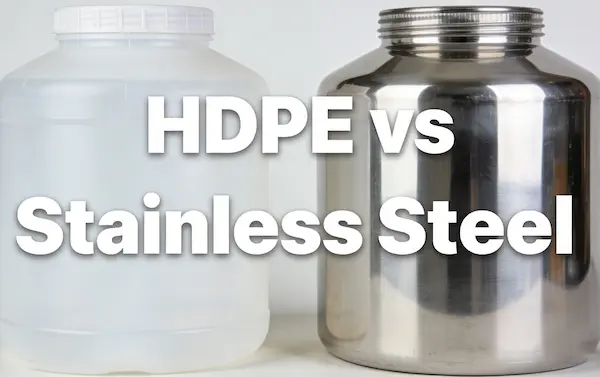
304 Stainless Steel: An economic choice, but for paints, it’s the “passing grade,” not the “safe bet.” It handles simple water-based colorants but lacks the resistance to chloride ions, risking pitting corrosion.
316L Stainless Steel: The standard for professional dispensers. The added “Molybdenum” content is key. It dramatically boosts resistance to pitting and crevice corrosion from chlorides. It provides a wider safety margin for both complex water-based and most solvent-based systems, ensuring long-term stability.
High-Performance Plastics:
PTFE: The “king of plastics.” It is chemically inert to almost all chemicals and has an ultra-smooth, non-stick surface, making it ideal for fast, thorough cleanouts between colors.
PFA & PVDF: These fluoropolymers offer supreme chemical resistance with varying mechanical strengths. They are the ultimate solution for highly corrosive specialty colorants.
2. Guardian of the Heart – The Pump & Piston
High-Purity Ceramic: The undisputed champion. Ceramics offer extreme hardness, wear resistance, and perfect chemical inertness. They resist both chemical corrosion and physical abrasion from colorants, ensuring initial precision is maintained over millions of cycles for a very long service life.
316L Stainless Steel with Coating: This applies a ceramic or non-stick coating to a strong metal body. It balances cost and performance, but the coating’s integrity is critical. If it chips, the base metal corrodes rapidly.
3. The Dynamic Lifeline – Seals & Diaphragms
This is the system’s most vulnerable point and the deciding factor in material selection.
Nitrile Rubber: Low cost and good for mineral oils. However, it swells and degrades in solvents, making it completely unsuitable for solvent-based systems.
Fluoroelastomer: The standard for solvent-based paint dispensers. It provides excellent resistance to most oils, fuels, and solvents, offering reliable performance.
Perfluoroelastomer: The ultimate seal. It resists a wider range of chemicals than Fluoroelastomer, including strong polar solvents. While costly, it is the only choice for complex colorant systems or maximum reliability.
PTFE Diaphragms: For diaphragm pumps, PTFE is the top choice due to its chemical inertness and flexibility.
Matching the machine’s materials to your specific colorants is not a luxury; it’s a necessity for protecting your bottom line.
Scenario: An industrial paint maker chose a cheaper “all-stainless” dispenser for solvent-based colorants. Within six months, color contamination appeared at outlets, and accuracy dropped severely.
Diagnosis: Upon inspection, the valve blocks were made of 304 stainless steel, but the internal dynamic seals were composed of Nitrile Rubber. The strong solvents had caused the seals to swell, deform, and break down, leading to cross-contamination and clogged valves.
The Cost: The company faced not only the cost of replacing all seals but also the massive loss from scrapping a contaminated product batch and a week of lost production—far exceeding the initial “savings.”
1.”Can you provide a detailed ‘Wetted Parts Materials List’ specifying the brand and grade for every valve, pipe, and seal?”
2.”For my specific colorants, what is your sealing solution and why will it remain stable for years?”
3.”Can we test our colorants with your key seal materials for compatibility before purchase?”
Choosing superior materials for your dispenser is a high-return insurance policy. It protects you from future costs of product recalls, production halts, and premature part failures.
A truly reliable automated paint mixing machine silently and firmly guards the purity of every color formula, ensuring every can of paint you deliver is flawless.
Unsure which materials are right for your colorants?
Contact our materials engineers today for a free, one-on-one compatibility assessment and sizing consultation. Let’s use scientific “inner” strength to guard your commercial success. Download our free Guide to Dispenser Material Selection now!
You May Also Find These Articles Helpful:
How to Use a Paint Tinter for Perfect Color Mixing.
Paint Dispenser: 10 Signs It’s Time for a Replacement.