Success in this demanding environment requires more than just a basic mixer—it demands a purpose-built paint mixing system designed specifically for these challenging applications. This system acts not just as a mixer, but as a sophisticated technological platform that understands material science, precision engineering, and production efficiency. In this comprehensive guide, we’ll explore the specific challenges of specialty coatings and reveal how modern, high-precision dispensing systems provide the ultimate solution for manufacturers who refuse to compromise on quality.
The luxurious, eye-catching finish of metallic and pearlescent paints comes from delicate aluminum, mica, or other effect pigments suspended in the coating. While the final effect is stunning, achieving consistent results requires overcoming significant production hurdles:
Shear-Sensitive Pigments: The very particles that create the desirable visual effects are extremely fragile. High-shear mixing can break or curl these flakes, destroying their ability to reflect light properly. This damage manifests as reduced sparkle, dulled color vitality, and inconsistent appearance across different production batches.
Settling and Separation Challenges: Effect pigments typically have a significantly different density compared to the coating base. This density mismatch causes rapid settling during production pauses and storage. The result can be hard pack at the bottom of containers that resists reincorporation, leading to inconsistent coloration and potential application issues.
Extreme Uniformity Demands: In applications like automotive manufacturing, any uneven distribution of effect pigments becomes glaringly obvious on large, smooth surfaces. Streaks, clouds, or variations in metallic concentration can lead to entire production runs being rejected, creating massive financial losses and damaging supplier relationships.
Driven by environmental regulations and performance requirements, high-solids coatings and other viscous formulations present a completely different set of mixing challenges:
Poor Flow Characteristics: Unlike their thinner counterparts, these materials don’t move easily through standard equipment. This poor flow creates “dead zones” in conventional mixers where material remains stagnant, resulting in inconsistent batches where some portions may have incorrect ratios of components.
Trapped Air Management: The thick, paste-like consistency of these formulations makes them particularly prone to trapping air bubbles during mixing. These bubbles can persist through the production process, affecting the final finish appearance, compromising protective properties, and altering the coating’s density and application characteristics.
High Power Requirements and Equipment Wear: The substantial resistance encountered when moving viscous materials requires mixing equipment to deliver significant torque. This not only increases energy consumption but also accelerates wear on impellers, seals, and other mechanical components, leading to more frequent maintenance and replacement costs.
Beyond formulation-specific issues, several universal challenges affect specialty coatings production:
Rapid Color and Product Changeovers: In today’s manufacturing environment, production lines must handle increasingly smaller batches and more frequent product changes. Cleaning between deep metallic colors and light pastel shades presents particular challenges, as any residue causes visible contamination in subsequent batches.
Abrasive and Corrosive Material Handling: Many specialty pigments and additives possess abrasive or corrosive properties that can degrade standard equipment components over time. This wear not only affects equipment longevity but can also introduce contamination into products through particles worn from the equipment itself.
Formula Accuracy Demands: The complex chemistry of modern coatings often relies on precise ratios of expensive additives to achieve desired performance characteristics. Tiny errors in measuring these components—sometimes amounting to mere grams in large batches—can have disproportionate impacts on curing, durability, appearance, and other critical performance metrics.
In specialty coatings manufacturing, precision is non-negotiable. A top-tier automotive paint mixing system achieves remarkable accuracy through sophisticated engineering:
Multi-Stage Dispensing Valve Technology: Advanced systems employ multi-flow valves that operate in distinct stages. Initially, a larger valve opens to deliver the majority of material quickly, maintaining production efficiency. As the target weight approaches, the system switches to a micro-valve that adds the final grams with drip-level precision. This technology perfectly balances the competing demands of speed and accuracy, enabling the “±1g/30kg” level precision that specialty coatings demand.
High-Resolution Weighing Systems: The accuracy of any dispensing system relies on its ability to measure what it dispenses. Advanced paint mixing machines incorporate sensitive, high-resolution load cells with fast response times and excellent immunity to environmental interference. These scales provide real-time weight feedback to the control system, creating a closed-loop control system that continuously corrects for any deviations from the target weight.
Intelligent Flow Control Algorithms: Beyond hardware, sophisticated software algorithms analyze flow rates and adjust valve timing dynamically based on material viscosity, line pressure, and other variables. This smart approach compensates for real-world conditions that affect dispensing accuracy, ensuring consistent results regardless of environmental factors.
Preserving the integrity of sensitive components requires mixing approaches that prioritize gentle handling:
Low-Speed, Programmable Stirring: Instead of the high-shear agitation common in standard mixers, advanced systems use precisely controlled, low-speed stirring mechanisms. These are often programmable with acceleration and deceleration ramps to prevent sudden surges that could damage delicate effect pigments. Automatic timers ensure consistent mixing duration across all batches, removing another variable from the production process.
Strategic Recirculation for Consistency: To combat the settling tendency of metallic and pearlescent pigments, advanced systems incorporate programmed recirculation cycles. During production pauses, material moves slowly through the lines and back to the container, maintaining uniform suspension without subjecting pigments to damaging shear forces. This approach significantly reduces the need for manual intervention to resuspend settled materials.
Adaptive Mixing Profiles: The most sophisticated systems can store different mixing profiles for various products. A delicate metallic coating might use a gentle, rolling motion with frequent pauses, while a high-viscosity material might require more aggressive mechanical action. Operators simply select the product, and the system automatically implements the optimal mixing strategy.
Handling today’s challenging coatings requires equipment designed from the ground up for demanding applications:
High-Pressure Pump Systems: Moving thick, resistant materials requires substantial force. Advanced paint mixing stations incorporate pumps specifically engineered to handle high-viscosity fluids efficiently, maintaining consistent flow rates even with challenging materials. Pump sizes are selected based on application requirements, with larger diameters available for the most demanding products.
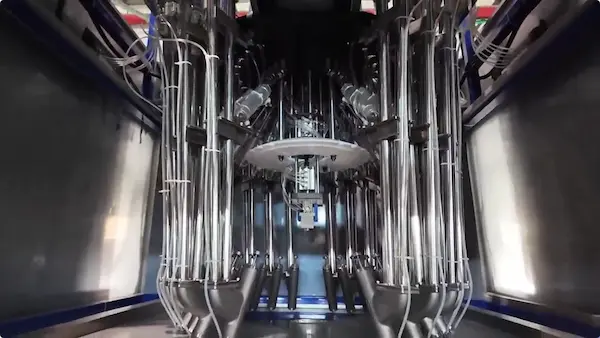
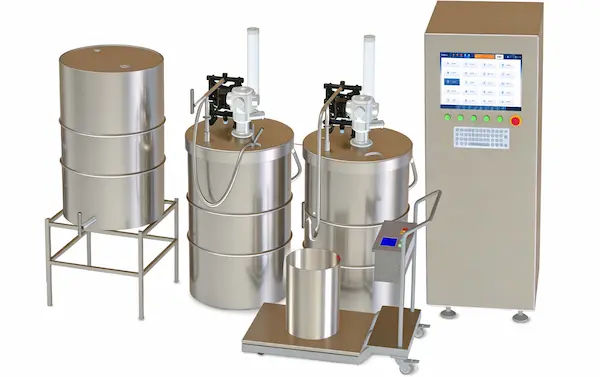
Container Versatility and Adaptability: Modern systems feature designs that accommodate various container types and sizes, from standard drums to IBC totes. Swing-arm configurations provide access to multiple containers while maintaining a small footprint, while disk-type systems offer high-density material staging for operations requiring numerous components.
Integrated De-aeration Options: For applications where bubble elimination is critical, specialized systems can incorporate vacuum de-aeration modules. These units subject the mixed material to controlled vacuum conditions, efficiently removing entrapped air without affecting product composition or delicate effect pigments.
A modern paint tinting machine must excel not only at mixing but also at supporting efficient manufacturing operations:
Quick-Disconnect Component Design: Recognizing that cleaning consumes significant production time, advanced systems feature tool-free quick disconnects on all product-contact components. Pumps, nozzles, hoses, and other elements can be removed and reinstalled in minutes, dramatically reducing changeover time between products or colors.
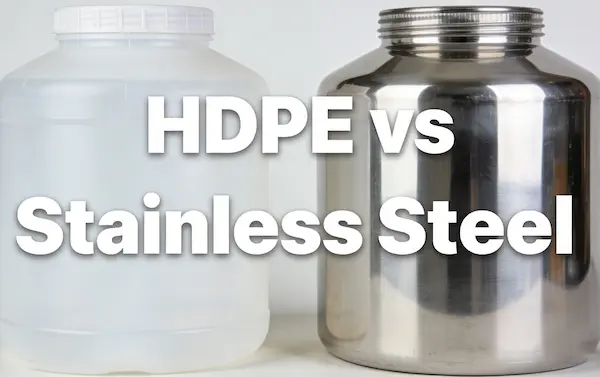
Corrosion and Abrasion-Resistant Materials: To withstand challenging production environments and aggressive materials, high-quality systems utilize stainless steel and other specialized materials for all wetted parts. This construction prevents contamination, resists corrosion, and maintains dimensional stability under heavy use, ensuring consistent performance throughout the equipment’s lifespan.
Automated Cleaning Systems: Many modern systems offer integrated Clean-in-Place (CIP) technology, which automates the cleaning process through programmed sequences of flushing, washing, and rinsing. This not only reduces labor requirements but also ensures consistent, repeatable cleaning results while minimizing solvent consumption.
Modern computerized paint mixing systems transform recipe management from a manual, error-prone process to a precise, repeatable digital operation:
Centralized Formula Database: Advanced systems maintain extensive libraries of product formulations, storing exact quantities, mixing parameters, and quality control specifications. Operators simply select the desired product from the database, eliminating measurement errors and ensuring perfect replication of successful batches.
Access Control and Version Management: To protect proprietary formulations and prevent unauthorized changes, sophisticated systems incorporate user authentication and permission levels. Version control tracks formula modifications, providing a complete audit trail for quality assurance and troubleshooting purposes.
Batch History and Traceability: Every production batch is automatically documented with precise records of material usage, production parameters, and quality metrics. This data creates complete traceability, supporting quality investigations and regulatory compliance requirements.
A modern automotive paint system doesn’t operate in isolation—it serves as an integrated component of the smart factory:
ERP/MES Connectivity: Leading systems offer seamless integration with Enterprise Resource Planning (ERP) and Manufacturing Execution Systems (MES). They can receive production orders directly from planning systems and report back material consumption, production counts, and other critical data in real time.
Automated Inventory Management: By tracking material usage against inventory levels, advanced systems can automatically generate replenishment orders or alerts when supplies run low. This proactive approach prevents production interruptions due to material shortages.
Quality Management System Integration: Quality test results can be automatically associated with specific production batches, creating comprehensive quality records and supporting statistical process control initiatives.
Maximizing equipment uptime requires proactive support and rapid problem resolution:
Remote System Monitoring: Modern paint tinting equipment often includes secure remote access capabilities, allowing technical support personnel to monitor system performance, identify developing issues, and perform diagnostic checks without requiring an onsite visit.
Predictive Maintenance Alerts: By analyzing operational data, advanced systems can identify patterns indicative of impending component failures, enabling proactive maintenance before issues cause unplanned downtime.
Remote Software Updates: System enhancements and bug fixes can be deployed remotely, ensuring equipment always operates with the latest improvements and maintaining consistent performance across multiple facilities.
Choosing the optimal automotive paint mixing equipment requires careful consideration of your specific products, volumes, and operational requirements:
Successfully integrating a new paint mixing machine into your operations requires thoughtful planning:
Comprehensive Needs Assessment: Before selecting equipment, thoroughly document your current and anticipated product range, production volumes, quality requirements, and operational constraints. Engage stakeholders from production, quality, and maintenance to ensure all perspectives are considered.
Facility Preparation: Ensure your facility can properly support the new equipment, with appropriate utility connections, space allocation, and material handling considerations. Address any necessary facility modifications before equipment arrival to minimize installation time.
Staged Implementation Approach: For operations with limited experience with automated systems, consider a phased implementation starting with your most critical or problematic products. This approach allows your team to build competence and confidence before expanding to full production.
Comprehensive Operator Training: Invest in thorough training for both operators and maintenance personnel. Understanding not just how to operate the equipment but why specific procedures are important leads to better outcomes and more proactive maintenance practices.
Justifying investment in advanced industrial paint mixing technology requires understanding the full financial impact:
Material Reduction: Precision dispensing typically reduces material usage by 3-7% through elimination of over-purging, reduction of waste from inaccurate batches, and minimization of cleaning solvent consumption.
Labor Efficiency: Automated systems can reduce hands-on labor requirements by 50-80% compared to manual mixing operations, freeing skilled technicians for higher-value activities.
Quality Improvement: The consistency of automated systems dramatically reduces batches that fail quality specifications, potentially eliminating 90% or more of quality-related waste and rework.
Downtime Reduction: Modern systems with remote monitoring and predictive maintenance capabilities can increase equipment availability by 15-25% compared to unmonitored equipment.
Beyond direct cost savings, advanced mixing systems deliver important strategic advantages:
Enhanced Responsiveness: Reduced changeover times and faster batch completion increase production flexibility, enabling quicker response to customer demands and market opportunities.
Improved Quality Reputation: Consistent, high-quality results strengthen your brand reputation and can support premium pricing strategies in competitive markets.
Knowledge Capture and Retention: Digital formula management preserves critical process knowledge independent of individual operators, reducing vulnerability to workforce changes.
Regulatory Compliance Support: Comprehensive batch records and material tracking simplify compliance with increasingly stringent regulatory requirements across multiple industries.
In the demanding world of specialty coatings, consistent quality is your most powerful competitive advantage. A professional industrial paint mixing system represents far more than a simple equipment purchase—it’s a strategic investment in your company’s quality reputation, operational efficiency, and long-term profitability.
Modern automotive paint mixing systems safeguard your formulations through uncompromising precision, unlock the full potential of your materials through gentle, optimized handling, and boost your manufacturing efficiency through intelligent automation and integration. They transform paint mixing from a potential production bottleneck into a reliable, repeatable process that consistently delivers perfect results.
As you consider the future of your coating operations, remember that the question is no longer whether you can afford to invest in advanced mixing technology, but whether you can afford not to. The manufacturers who will lead tomorrow’s markets are those making strategic investments in precision technology today.